Source RoHS Certified Customized Power Supply for LED, CCTV, and Industrial
Source RoHS certified customized power supply options from 30 verified listings. Buyers can compare output voltages ranging from 5V to 48V, power capacities up to 720W, and certifications like CE, UL, and TUV for LED lighting, CCTV systems, and industrial applications.
Key considerations
Products List




Comprehensive Sourcing Guide
ROHS Certified Customized Power Supply Sourcing Guide
Procuring ROHS certified customized power supplies requires a disciplined approach to balancing regulatory compliance with specific electrical performance needs. Buyers must first define the exact output parameters, such as voltage ranges and current capacities, to ensure the selected unit meets the operational demands of the target electronic equipment. The market offers a variety of switching power supplies, including DIN rail and open-frame models, each suited for different industrial and commercial applications. Understanding these distinctions is critical for selecting a supplier who can deliver the precise form factor and efficiency required for your assembly line or final product.
Verification of certification documents is equally important, as "ROHS certified" implies adherence to strict restrictions on hazardous substances. Buyers should request valid test reports from accredited laboratories to confirm that the components used in the power supply, such as capacitors and transformers, meet the required environmental standards. This due diligence protects your brand from regulatory risks and ensures that the products you import or distribute are safe for end-users. Combining this verification with a clear understanding of customization options allows for a more robust and compliant supply chain.
Product Scope and Observed Listing Signals
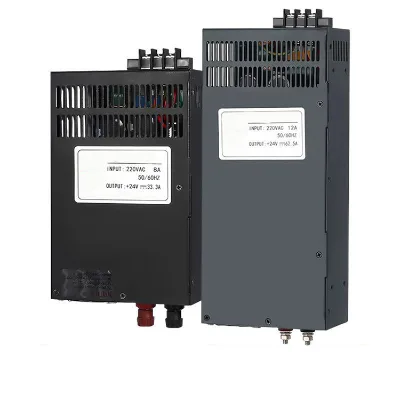
The current market landscape for customized power supplies features a diverse range of products, from single-output units to multi-voltage adjustable models. Listings often highlight key attributes such as output power, which can range from low-wattage LED drivers to high-capacity industrial supplies exceeding 500 watts. Buyers should observe that product names frequently include specific model numbers and voltage ratings, such as 12V or 24V outputs, which serve as primary identifiers for technical compatibility. These signals help narrow down the search to suppliers who specialize in the specific power class required for your application.
Customization availability is a significant signal in product listings, indicating that suppliers are willing to adapt standard designs to meet unique client requirements. This may include modifications to input voltage ranges, output currents, or physical dimensions to fit specific enclosures. Observations of packaging details, such as PE bags or white boxes, provide insight into the supplier’s logistics capabilities and quality handling practices. Additionally, the presence of multiple certifications in listings, such as CE, TUV, or UL, suggests a higher level of manufacturing maturity and readiness for international markets.
Technical Specifications to Verify
When evaluating technical specifications, buyers must prioritize output voltage and current ranges to ensure compatibility with their electronic devices. For instance, some supplies offer adjustable voltage ranges from 5V to 48V, providing flexibility for various applications, while others are fixed to specific voltages like 12V or 24V. It is essential to verify the output type, whether single or multi-output, and the maximum current capacity, which can range from a few amperes to over 20A. These parameters directly impact the reliability and performance of the powered equipment, making accurate verification a critical step in the sourcing process.
Physical dimensions and mounting types are also crucial technical considerations, especially for space-constrained designs. Buyers should check the size specifications, such as 160x98x42mm, and determine if the unit requires screw fixing or DIN rail mounting. The weight of the unit, often around 410g for certain models, can influence shipping costs and structural support requirements. Additionally, the circuit structure, such as electronic step-down transformers, affects efficiency and heat dissipation. Confirming these details with the supplier ensures that the power supply will physically and electrically integrate seamlessly into the final product design.
Compliance and Safety Documentation
Compliance with ROHS standards is a non-negotiable requirement for many markets, particularly in Europe and other regions with strict environmental regulations. Buyers must request detailed documentation proving that the power supply components are free from restricted hazardous substances, such as lead, mercury, and cadmium. This documentation should include test reports from recognized third-party laboratories, ensuring that the claims made by the supplier are substantiated by independent verification. Without these documents, there is a significant risk of non-compliance, which can lead to product recalls, legal penalties, and damage to brand reputation.
Beyond ROHS, other safety certifications such as CE, TUV, UL, and CCC may be required depending on the target market and application. Each certification has specific testing protocols and safety standards that the power supply must meet, covering aspects like electrical insulation, fire resistance, and electromagnetic compatibility. Buyers should verify that the certifications are current and applicable to the specific model being purchased. It is also important to check if the supplier provides a Declaration of Conformity, which legally attests that the product meets all relevant regulatory requirements for sale in the destination country.
Cost Drivers and Commercial Terms
Several factors influence the cost of customized power supplies, including the complexity of the design, the quality of components used, and the order volume. Customization efforts, such as modifying output parameters or packaging, can increase production costs due to setup fees and material changes. Buyers should also consider the impact of certifications on pricing, as obtaining and maintaining multiple safety standards involves significant testing and audit expenses. Understanding these cost drivers helps in negotiating better terms and budgeting accurately for the procurement project.
Commercial terms, such as minimum order quantities (MOQ) and payment conditions, play a vital role in the overall procurement strategy. MOQs can vary widely, from small batches for prototyping to large volumes for mass production, affecting inventory management and cash flow. Buyers should clarify lead times and shipping methods to avoid delays in production schedules. Additionally, understanding the warranty terms and after-sales support provided by the supplier is essential for managing long-term risks. Clear communication of these terms ensures a transparent and mutually beneficial partnership.
Supplier Qualification and Quality Control
Evaluating supplier qualifications is crucial for ensuring consistent quality and reliable delivery of customized power supplies. Buyers should assess the supplier’s manufacturing capabilities, including their production capacity, quality control processes, and experience in the power supply industry. Suppliers with a strong track record in producing certified products are more likely to deliver high-quality units that meet strict specifications. It is also important to verify the supplier’s ability to handle customization requests efficiently, as this requires flexibility and technical expertise in their engineering team.
Quality control measures, such as incoming material inspections, in-process testing, and final product audits, are essential for maintaining product integrity. Buyers should inquire about the supplier’s quality management systems, such as ISO 9001 certification, which indicates a structured approach to quality assurance. Additionally, requesting sample units for testing before placing a large order allows buyers to verify performance and compliance firsthand. Establishing clear quality expectations and inspection protocols with the supplier helps minimize defects and ensures that the final products meet the required standards.
Long-Term Procurement Checks
Long-term procurement success depends on continuous monitoring of supplier performance and product quality. Buyers should establish key performance indicators (KPIs) to track metrics such as delivery times, defect rates, and responsiveness to issues. Regular audits and reviews of the supplier’s quality control processes help identify potential problems early and ensure ongoing compliance with standards. Building a strong relationship with the supplier through open communication and collaborative problem-solving can lead to better service and more favorable terms over time.
Staying updated on regulatory changes and market trends is also essential for long-term procurement strategies. Buyers should regularly review the certification status of their power supplies to ensure they remain compliant with evolving regulations in their target markets. Additionally, monitoring technological advancements in power supply design can help identify opportunities for cost savings or performance improvements. By maintaining a proactive approach to supplier management and market analysis, buyers can secure a reliable and competitive supply chain for their customized power supply needs.
FAQs
Can I get customized power supplies with RoHS certification?
Yes, customization is available for these power supplies while maintaining RoHS certification. The products support OEM and ODM services to meet specific requirements. They are manufactured in China and include certifications like CCC, CE, and UL to ensure compliance with international safety standards for various applications.
What output voltage ranges are available for these units?
The available output voltage ranges from 5 to 48 volts depending on the specific model selected. Some units offer a narrower range of 7 to 36 volts for specialized applications. This flexibility allows the power supplies to drive different electronic equipment and LED drivers effectively across various industrial settings.
Which certifications do these power supplies hold for safety?
These units hold multiple safety certifications including CCC, CE, RoHS, UL, TUV, and CB. The specific certifications may vary by model but generally cover international standards for electrical safety. This ensures the products are suitable for use in diverse markets and comply with strict regulatory requirements for electronic components.
How is the customization service provided for these products?
Customization is available through OEM and ODM services to tailor products to your needs. Manufacturers in Zhejiang and Ningbo offer these services to adapt specifications like output power or voltage. This allows buyers to receive power supplies that match their exact project requirements while maintaining high quality standards.
What is the typical output power capacity for these supplies?
Output power capacities range from 20 watts up to 720 watts depending on the model. Specific models support outputs like 101 to 200 watts or higher capacities for industrial use. This wide range ensures that the power supplies can handle various loads for applications ranging from small LED drivers to larger electronic equipment.
Where are these power supplies manufactured and shipped from?
These products are manufactured in China, specifically in regions like Zhejiang, Ningbo, and Guangdong. The origin location is clearly stated for each model to ensure transparency in the supply chain. Buyers can expect reliable shipping from these established manufacturing hubs to global destinations.
What packaging options are available for bulk orders?
Packaging options include PE bags, white boxes, and cartons designed for bulk shipping. Specific cartons can hold up to 20 pieces with dimensions around 34.5 by 29.5 centimeters. This packaging ensures the products are protected during transit while facilitating efficient handling and storage for large volume orders.